Samurai were the warrior class of Japan, known for their discipline, loyalty and distinctive armor. Their code of honor and striking appearance continue to fascinate people around the world, and today the samurai look is one of the most iconic symbols of Japanese history.
Samurai vs. Bushi: What's in a Name
The word samurai comes from the verb saburau, "to serve." It first appeared in the Heian period (794–1185), when it described officials who attended the emperor, nobles and aristocrats, handling errands, court duties and guard work — closer to a secretary or police officer than a soldier on a battlefield.
This is an important distinction: not every warrior was a samurai. The broader term bushi covers all fighting men, including foot soldiers and masterless ronin, but samurai specifically meant a warrior who served a lord. Only samurai were permitted to ride horses and, later, to carry the paired swords that became their signature.
As regional warrior clans grew in power during the 10th century, the imperial court began recruiting these provincial fighters as samurai to guard the capital and put down rebellions. From there, samurai families steadily gained influence, and by the Kamakura period (1185–1333) they had become Japan's ruling military class, governing the country under successive shogunates for nearly 700 years.
Bushido: The Way of the Warrior
During the long peace of the Edo period (1603–1868), samurai had far fewer battles to fight, and their role shifted toward administration, scholarship and moral leadership. It was in this era that bushido, "the way of the warrior," matured into a defined code of conduct.
Bushido asked samurai to live by loyalty, honesty, courtesy and honor, placing duty to one's lord above personal interest and self-preservation. A samurai who failed to uphold that honor was expected to answer for it, which is part of why seppuku (ritual suicide) developed as a way to take responsibility on one's own terms rather than accept a dishonorable end. Unlike the European code of chivalry, which shares some values with bushido, this idea of settling one's own account with one's own hand had no real Western equivalent.
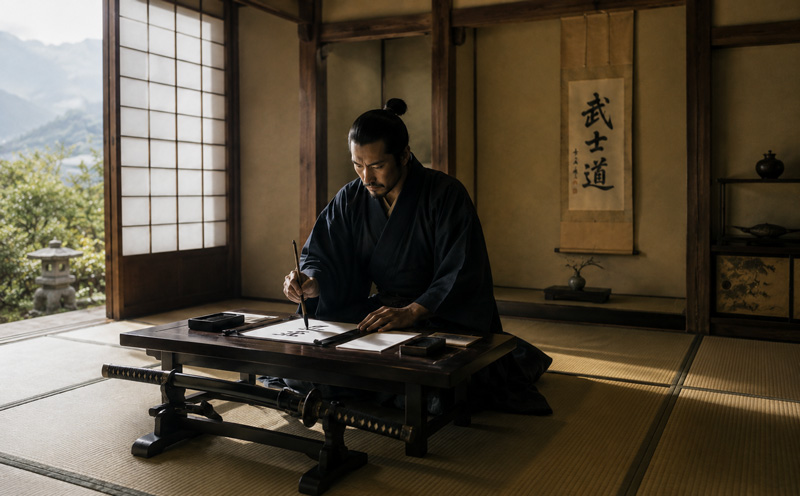
Beyond the battlefield, samurai were also expected to cultivate the mind: calligraphy, poetry and tea ceremony were considered essential companions to swordsmanship. That same combination of discipline and refinement still echoes in Japan today, from the etiquette taught in schools to the values companies describe when they talk about integrity and duty to their customers.
Armor and the Twin Swords
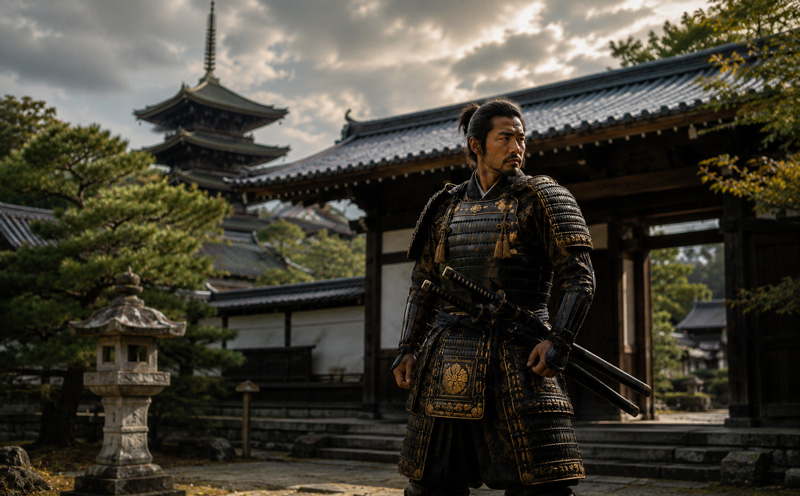
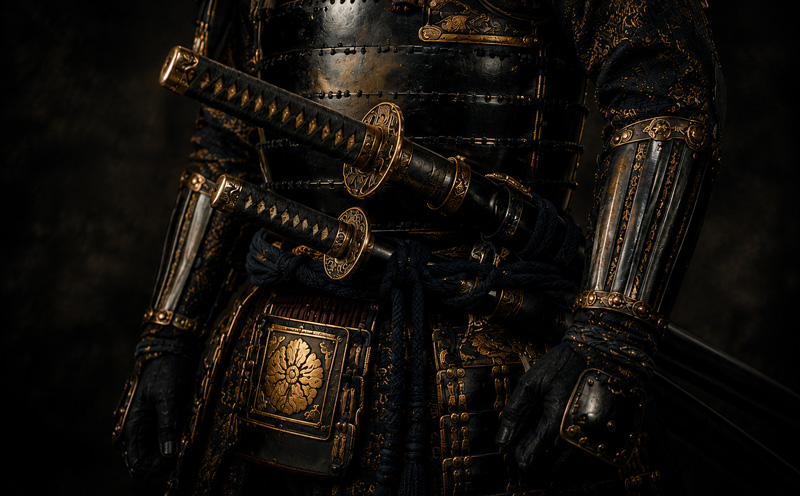
A samurai's armor, yoroi, was both protection and a statement of rank. Lacquered plates were laced together in bold colors, and helmets (kabuto) were often topped with dramatic crests shaped like crescents, horns or family emblems designed to make their wearer instantly recognizable in battle.
By the Edo period, samurai were required to wear two swords together as sashiryo, the visible proof of samurai status: a longer uchigatana (over roughly 60cm) paired with a shorter wakizashi. The pairing had practical origins on the battlefield — a long blade could chip or dull quickly in combat, so the shorter sword served as a backup for close-quarters work.
At our studios, our Samurai Experience takes inspiration from this iconic look, letting you step into the role of a Japanese warrior for a portrait session against the backdrop of Kyoto or Tokyo.
Experience it yourself